Vowels

Evidence-based answers for health and nutrition questions.

This experience is for education only and does not replace professional medical advice.

  • American Diabetes AssociationMay 7, 2026

    The American Diabetes Association Urges California Lawmakers to Restore Access to Obesity Medications and Improve Health Through Sugary Beverage Labeling

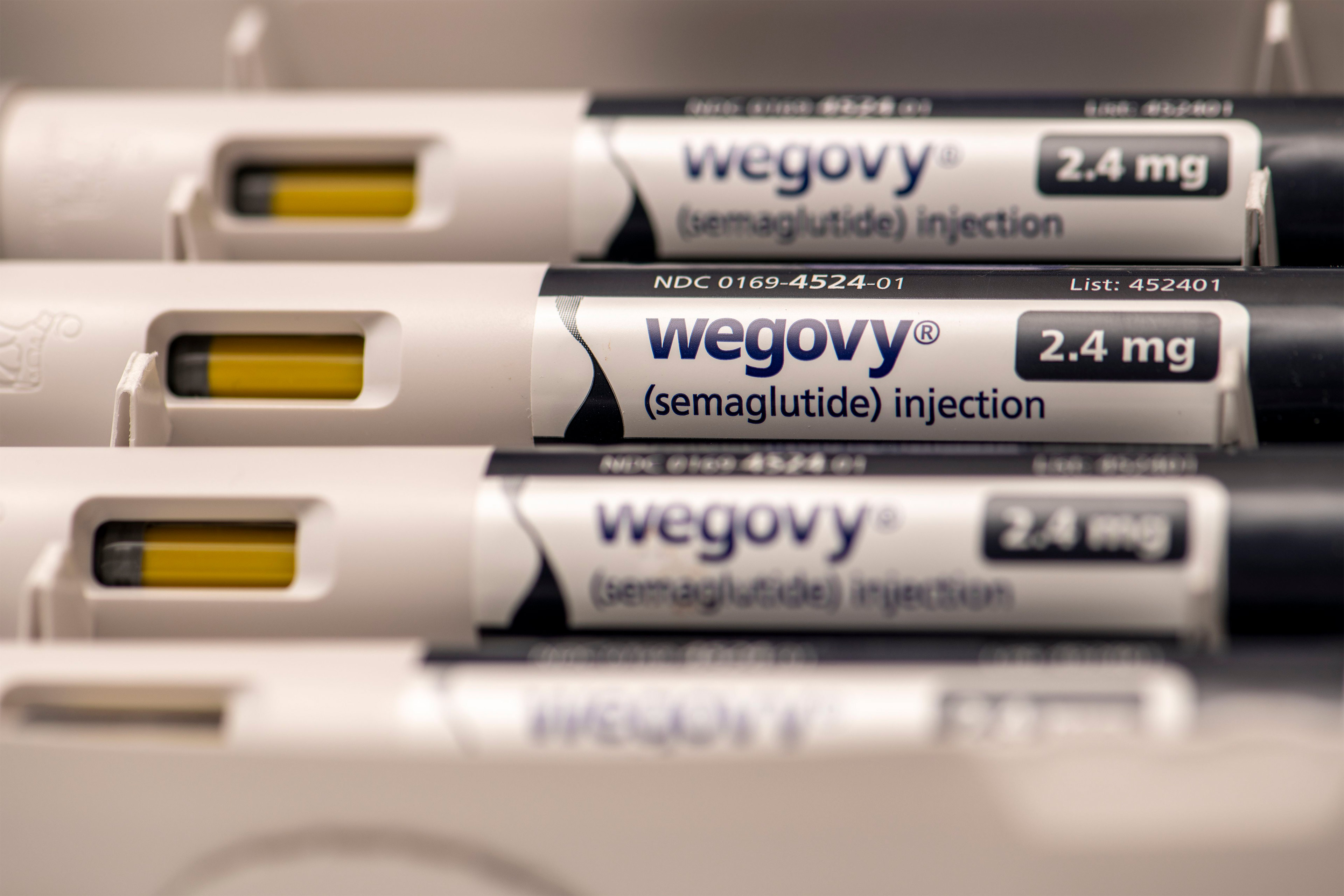
    The American Diabetes Association Urges California Lawmakers to Restore Access to Obesity Medications and Improve Health Through Sugary Beverage Labeling mcarmody Thu, 05/07/2026 - 16:18 Advocacy News The American Diabetes Association Urges California Lawmakers to Restore Access to Obesity Medications and Improve Health Through Sugary Beverage Labeling SACRAMENTO, Calif. May 7, 2026 Today, Diabetes Advocates from the American Diabetes Association ® (ADA) and other community partners are in Sacramento urging California lawmakers to take decisive action that can improve the health of millions of Californians. Time and date : Thursday, May 7 from 10:00 a.m.–1:00 p.m. Location: The Citizen Hotel, Quorum Room (second floor), 926 J St., Sacramento, CA 9581 “The ADA and its advocates are calling on California lawmakers to take action to address the obesity and diabetes crises by both expanding access to life-changing treatment and supporting prevention efforts,” said Christine Fallabel, MPH, the ADA’s interim vice president of state government affairs. California continues to confront rising rates of obesity and diabetes. Nearly 29% of California adults are living with obesity, with rates projected to rise significantly in the coming decades. The impact on Californian’s health is significant. Obesity increases the risk of type 2 diabetes, hypertension, and over 200 other health problems. The economic impact of obesity is substantial, with obesity costing the state an estimated $89.5 billion annually. To combat this problem and help Californians living with obesity, the ADA and other groups are together urging state legislators to reinstate Medi-Cal coverage for GLP-1-based obesity medications in the state budget, ensuring access to evidence-based treatment for those who need it most. Food and Drug Administration (FDA)-approved medications for obesity management can be used effectively and safely to help manage blood glucose (blood sugar) levels in people living with type 2 diabetes and support weight management for individuals living with obesity. These medications also improve heart and kidney health and reduce insulin resistance. Additionally, the ADA is supporting prevention efforts through Senate Bill 869 , authored by Senator Akilah Weber Pierson, MD. This legislation would require chain restaurants with more than 20 locations to display a clear added sugar icon and accompanying text next to standard menu beverage items that contain more than 50% of the recommended daily added sugar intake, defined as 25 grams or more per serving. Added sugar contributes to an increased risk of type 2 diabetes. By providing simple, visible labeling, SB 869 aims to support healthier decision-making without limiting consumer choice. To schedule interviews, please contact press@diabetes.org ### About the American Diabetes Association The American Diabetes Association (ADA) is the nation’s leading voluntary health organization fighting to end diabetes and helping people thrive. This year, the ADA celebrates 85 years of driving discovery and research to prevent, manage, treat, and ultimately cure diabetes—and we’re not stopping. There are over 155 million Americans living with diabetes or prediabetes. Through advocacy, program development, and education, we’re fighting for them all. To learn more or to get involved, visit us at diabetes.org or call 1-800-DIABETES (800-342-2383). Join us in the fight on Facebook ( American Diabetes Association ), Spanish Facebook ( Asociación Americana de la Diabetes ), LinkedIn ( American Diabetes Association ), and Instagram ( @AmDiabetesAssn ). To learn more about how we are advocating for everyone affected by diabetes, visit us on X ( @AmDiabetesAssn ). Download press materials Person Name Mimi Carmody Email press@diabetes.org Phone (703) 253-4957

    Read

  • Sponsored

    Partner Nutrition Guide

    Explore evidence-backed recommendations for best protein breakfast and practical next steps.

    View Sponsored Topic
  • ScienceDaily NutritionMay 7, 2026

    Scientists discover why Ozempic works better for some people

    Some people taking Ozempic-like diabetes drugs may be getting dramatically better results for a surprising reason: why they overeat in the first place. A year-long study in Japan found that people who tend to eat because tempting food looks or smells irresistible were much more likely to lose weight and improve blood sugar levels on GLP-1 medications. But people who eat mainly in response to stress, sadness, or emotional struggles didn’t see the same long-term benefits.

    Read
  • Sponsored

    Partner Nutrition Guide

    Explore evidence-backed recommendations for gut health foods and practical next steps.

    View Sponsored Topic
  • ScienceDaily NutritionMay 7, 2026

    Scientists find a way to stop dangerous belly fat as we age

    Aging doesn’t just add fat—it redistributes it in risky ways, pushing more into the abdomen where it can harm health. Scientists found that testosterone plays a key role in this shift. In older women recovering from hip fractures, a testosterone gel combined with exercise helped prevent the usual rise in dangerous visceral fat. The result could point to a powerful new strategy for improving recovery and long-term health.

    Read

  • American Diabetes AssociationMay 6, 2026

    Meet Todd: Taking Action After Son's Type 1 Diabetes Diagnosis

    Meet Todd: Taking Action After Son's Type 1 Diabetes Diagnosis mseibold Wed, 05/06/2026 - 20:07 Advocacy Type 1 Share Your Story By sharing your story, you help us raise awareness of diabetes so we can bend the curve on it once and for all. Will you help us awaken the world? Share Your Story

    Read

  • Sponsored

    Partner Nutrition Guide

    Explore evidence-backed recommendations for blood sugar friendly meals and practical next steps.

    View Sponsored Topic
  • Preserving pollinators is good for health -- and income
    NPR HealthMay 6, 2026

    Preserving pollinators is good for health -- and income

    Pollinators have economic and health benefits, but those benefits have been difficult to quantify. A new study puts some numbers to how important pollinators are for both nutrition and income.

    Read

  • ScienceDaily HeartMay 5, 2026

    Breakthrough biomaterial heals tissue from the inside out

    Scientists have developed a breakthrough injectable biomaterial that travels through the bloodstream to repair damaged tissue from within, reducing inflammation and jumpstarting healing. In animal studies, it successfully treated heart attack damage and even showed promise for conditions like traumatic brain injury and pulmonary hypertension. Unlike earlier approaches that required direct injection into the heart, this new therapy can be delivered intravenously, allowing it to spread evenly and act quickly.

    Read
  • Sponsored

    Partner Nutrition Guide

    Explore evidence-backed recommendations for high fiber snacks and practical next steps.

    View Sponsored Topic
  • States Eye Aid To Prop Up Distressed Hospitals Amid Federal Medicaid Cuts
    Kaiser Health NewsMay 5, 2026Health Care Costs

    States Eye Aid To Prop Up Distressed Hospitals Amid Federal Medicaid Cuts

    Hundreds of hospitals nationwide are bracing for Medicaid cuts as a result of the One Big Beautiful Bill Act. Some state lawmakers are eyeing loans and other forms of financial aid to distressed hospitals in rural and urban areas, as healthcare providers warn of cuts to critical services and scramble for funding.

    Read
  • Sponsored

    Partner Nutrition Guide

    Explore evidence-backed recommendations for meal prep for fat loss and practical next steps.

    View Sponsored Topic
  • ScienceDaily NutritionMay 4, 2026

    Scientists reveal creatine’s hidden power beyond muscle gains

    Creatine might be famous in the gym, but its real story is far more interesting. Naturally produced in the body, it helps power cells by rapidly regenerating ATP—the fuel that keeps muscles, the brain, and even the heart running during intense activity. Supplementing with creatine can boost short bursts of physical performance and may even support memory, mood, and cognitive speed, especially in people with lower baseline levels.

    Read
  • ScienceDaily NutritionMay 3, 2026

    Scientists just discovered what coffee is really doing to your gut and brain

    Coffee doesn’t just energize—it actively reshapes the gut and mind. Researchers found that both caffeinated and decaf coffee altered gut bacteria in ways linked to better mood and lower stress. Decaf even improved learning and memory, while caffeine boosted focus and reduced anxiety. Together, they show coffee works through multiple pathways beyond just caffeine.

    Read
  • Sponsored

    Partner Nutrition Guide

    Explore evidence-backed recommendations for best protein breakfast and practical next steps.

    View Sponsored Topic
  • ScienceDaily NutritionMay 1, 2026

    Your gut takes a “double hit” from stress and late-night eating

    Chronic stress is already tough on your gut—but new research suggests late-night eating could make things even worse. Scientists analyzing thousands of people found that those under high stress who also ate a large portion of their calories after 9 p.m. were far more likely to suffer from constipation and diarrhea. The combination appears to hit the gut twice, not only disrupting digestion but also reducing the diversity of beneficial gut bacteria.

    Read
  • ScienceDaily NutritionApr 30, 2026

    Surprising obesity discovery rewrites decades of fat metabolism science

    A key protein involved in fat metabolism has been found to do more than scientists once thought. Instead of just releasing fat, it helps maintain healthy fat tissue and balance in the body. When it’s missing or disrupted, the results can be surprisingly harmful. This finding reshapes how researchers think about obesity and metabolic disease.

    Read